
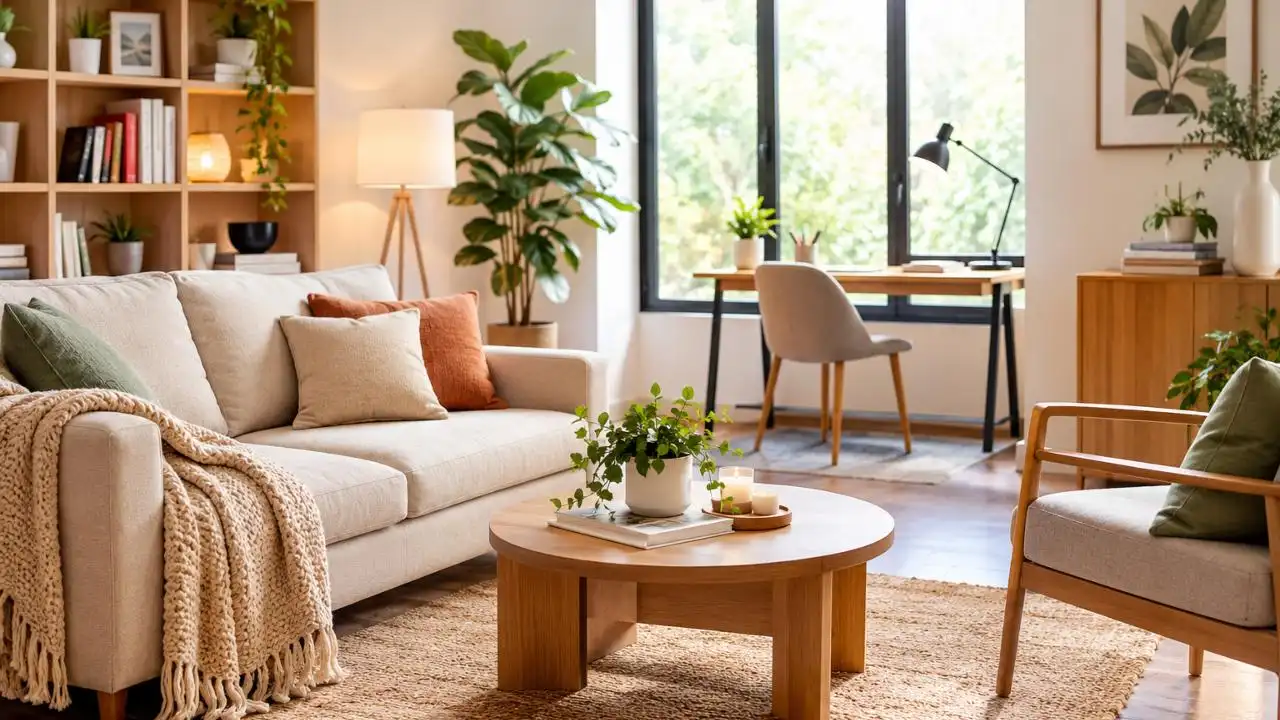
The best lifestyle changes are often the ones that solve everyday problems. A crowded living room, a poorly organised workspace, or a morning routine that feels rushed can affect how comfortable and productive your day feels. You do not need an expensive renovation or a complete change in your habits to make things better. A few thoughtful adjustments can make a noticeable difference.
Tips lifestyle on PushYourDesign is a useful topic for readers looking for practical ideas that connect home design with everyday living. From arranging furniture and improving storage to building healthier routines, the goal is to create surroundings that suit your needs rather than copying someone else’s lifestyle.
This guide explains how to make sensible improvements, avoid common decorating mistakes, and choose changes that work for your home, schedule, and budget.
1. Start With the Problems You Want to Solve
Before buying furniture, changing colors, or following a decorating trend, identify what is not working in your daily life.
Perhaps your entryway collects shoes and bags, your bedroom feels cramped, or your desk becomes cluttered by lunchtime. Each problem needs a different solution. Buying attractive storage boxes will not help much if you have no clear place to put the things you use every day.
Walk through your home and note three things that regularly cause inconvenience. Choose the easiest one to address first.
For example, if your kitchen counter is always crowded, move rarely used appliances into a cupboard and keep frequently used items within reach. If your living room feels uncomfortable, check whether the furniture blocks walking paths before replacing anything.
This approach saves money because you address the cause of the problem instead of purchasing items that only hide it.
2. Make Your Home Reflect Your Personality
A well-decorated room should feel comfortable to the people who use it. You might admire a minimalist bedroom online, but that does not mean you need to remove every personal item from your own space.
Start by identifying the colors, materials, and objects you genuinely enjoy. If you prefer warm surroundings, consider wooden furniture, soft lighting, and textured fabrics. If you like a cleaner appearance, use a simple color palette and keep decorative items limited to a few meaningful pieces.
Collecting inspiration pictures can help you recognize your preferences before spending money. Look for common features across the images rather than copying one room completely.
One useful rule is to balance appearance with maintenance. White upholstery may look attractive, but a darker, washable fabric might suit a busy household better. Your home should reflect your taste while accommodating the way you live.
3. Improve Lighting Before Changing Everything Else
Lighting can affect how a room looks and how comfortably you use it. A space with beautiful furniture may still feel uninviting if it relies on one harsh overhead light.
Consider how each area functions before selecting lighting.
-
Living room: Combine general lighting with a floor lamp or table lamp for reading and relaxing.
-
Kitchen: Use suitable task lighting over counters where you prepare food.
-
Bedroom: Choose comfortable bedside lighting that allows you to read without illuminating the entire room.
-
Home office: Position your desk to reduce glare on your screen and provide adequate light for paperwork.
Natural light is worth considering, too. Keep windows reasonably clear and avoid placing bulky furniture where it unnecessarily blocks daylight.
You do not need to replace every fixture. Sometimes changing a lampshade, moving a lamp, or using a suitable bulb can improve the room without a large expense.
4. Build Daily Habits That Support Your Lifestyle
Your surroundings can make good habits easier to maintain. A tidy desk gives you a clear place to work, while a comfortable reading corner makes it easier to spend time with a book instead of scrolling through your phone.
Choose habits that solve specific problems rather than following an unrealistic schedule.
For example, spend five minutes putting frequently used items away before finishing work. Prepare your bag and clothes the night before if mornings tend to feel rushed. Keep a reusable water bottle somewhere visible if you often forget to drink water.
The important part is making each habit easy to repeat.
Try a simple evening reset
Before going to bed, return misplaced items to their usual locations, clear the kitchen counter, and prepare anything you will need the following morning. You do not need to clean the entire house every night.
These small actions can reduce morning distractions and make your home easier to manage.
5. Use Smart Storage to Reduce Everyday Clutter
Storage works best when it matches the items you own and the way you use them. Buying containers before sorting your belongings can leave you with more things to organise.
Start by grouping similar items together. Keep everyday essentials in accessible places and store seasonal or rarely used belongings elsewhere.
For example, a small entryway may benefit from wall hooks, a narrow shoe cabinet, and a tray for keys. In a home office, drawer dividers can separate stationery, charging cables, and paperwork.
Before purchasing storage furniture, measure the available space. Check door openings, walking routes, and the clearance needed to open drawers.
Avoid filling every empty corner with cabinets. Too much storage furniture can make a small room feel crowded. The aim is to give belongings a sensible home while preserving enough open space for comfortable movement.
6. Refresh Your Space Without Overspending
A home makeover does not have to begin with new furniture. Often, the most affordable changes involve using what you already own in a different way.
Try these options before making a major purchase:
-
Rearrange furniture to improve movement through the room.
-
Replace worn cushion covers instead of buying a new sofa.
-
Display a few favorite photographs or pieces of artwork.
-
Repaint a small area if the existing color no longer suits the room.
-
Repair loose handles or other minor faults before replacing usable furniture.
Set a budget before shopping and decide which changes matter most. If your dining chairs are uncomfortable, replacing decorative accessories will not solve the main problem.
This practical approach to tips lifestyle on pushyourdesign helps keep spending connected to actual needs. It also reduces the risk of buying items that look appealing in a store but do not work in your home.
7. Avoid Common Lifestyle and Decorating Mistakes
Even well-intentioned improvements can create new problems when decisions are made too quickly.
Following every trend: Popular colors and furniture styles change. Choose major items for comfort, durability, and personal preference, then use smaller accessories to experiment with trends.
Ignoring measurements: A sofa that looks compact in a showroom may overwhelm your living room. Measure both the intended space and the route through which the furniture must enter.
Prioritizing appearance over function: Delicate rugs may be inconvenient in high-traffic areas, while open shelving requires regular dusting. Consider cleaning needs and household activities before choosing materials.
Changing too much at once: Several purchases made together can consume your budget before you understand what the room actually needs. Make one improvement, live with it, and assess the result.
Comparing your home with online photographs: Styled rooms often contain carefully selected furniture, controlled lighting, and limited everyday clutter. Your home has different needs, and it should be judged by how well it supports your life.
8. Create a Practical Plan for Your Next Improvement
You can turn these ideas into action without making a complicated schedule. Choose one room or daily routine and work through the following steps.
-
Identify the main inconvenience you want to solve.
-
Decide what a successful improvement would look like.
-
Check whether rearranging existing items could solve the problem.
-
Set a realistic budget if purchases or repairs are necessary.
-
Make the change and evaluate how well it works after a week.
For example, if your bedroom feels cluttered, begin by clearing the bedside table and reviewing what you actually use. If the problem continues, consider whether additional storage or a different furniture arrangement would help.
This process gives you a clear reason for every change and makes it easier to avoid unnecessary spending.
Conclusion
A comfortable lifestyle grows from practical choices that suit your needs, preferences, and budget. Better storage, thoughtful lighting, manageable routines, and personal decorating choices can improve how you use your home without requiring a complete makeover.
The most useful tips lifestyle on pushyourdesign are the ones you can apply consistently. Choose one problem, make a realistic improvement, and see how it affects your everyday life before moving on to the next project.
For more informative articles, visit our site daily.