
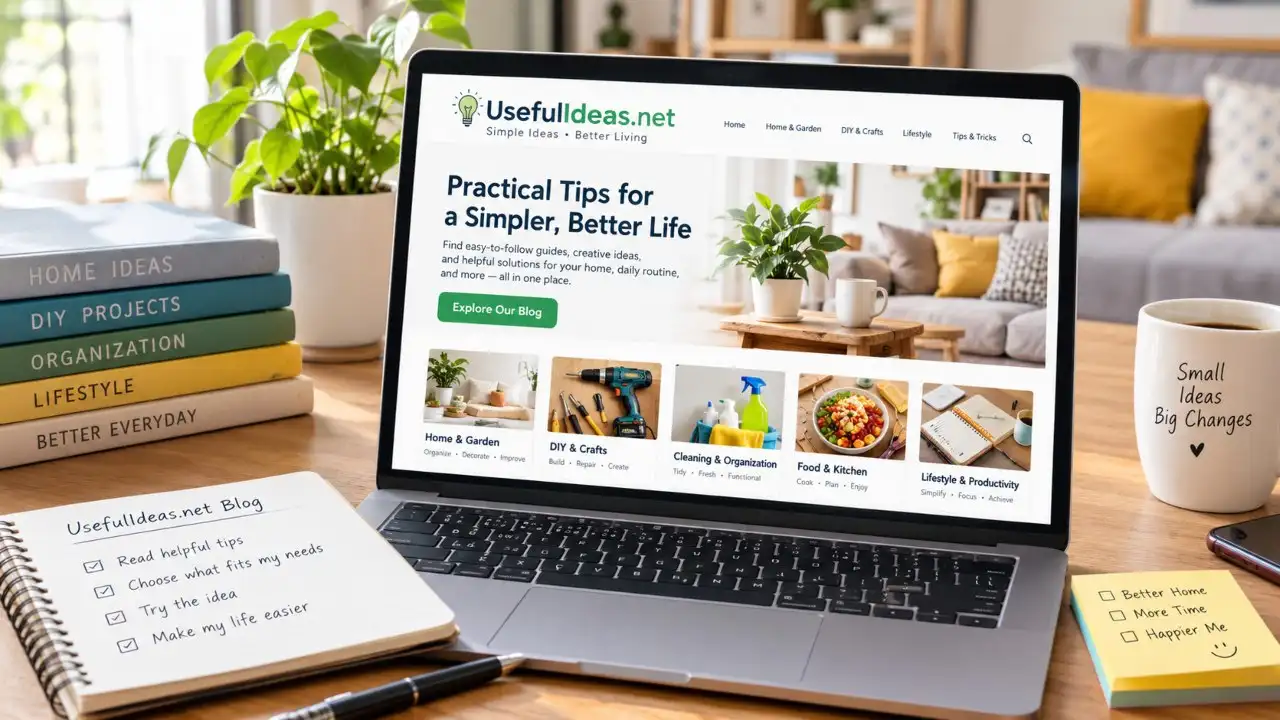
People land on posts #usefulideas.net blog looking for clear, doable advice instead of long theory. Discover easy DIYs, quick home upgrades, everyday organization hacks, and realistic wellness habits built for busy lives. If you want tips you can try this weekend without buying a pile of special tools, this is the kind of content that shows up.
The value sits in how specific the advice stays. Many posts list materials, rough time estimates, and the order of steps. That detail matters when you are standing in a hardware aisle or trying to decide whether a repair is worth your Saturday.
What Kind of Content Shows Up in Posts #usefulideas.net Blog
Most material falls into a few practical groups:
- Home improvement and small repairs
- Low-cost wellness habits
- Organizing household tasks
- Turning rough ideas into simple action plans
- Testing a DIY idea before spending money
A typical home post might walk through preparing for window replacement or keeping a fireplace safe for winter. Wellness posts lean toward habits that fit around work and family instead of requiring an hour at the gym every day. From quick home DIYs and realistic wellness habits to smart daily chore systems that keep forgotten tasks at bay, this site simplifies every part of your routine.
The tone stays direct. You get the steps, the reason the step matters, and a note about what usually goes wrong. That combination is rarer than it should be.
How to Get Real Use from the Posts
Start with one clear problem. Do not browse aimlessly. Pick something specific: a drafty window, a cluttered entryway, or a habit that keeps slipping. Search the site for that issue and open the post that matches closest.
Read the materials list first. Check what you already own. Many ideas work with basic tools and supplies from a regular hardware store or items already in the house. If the post calls for something specialized, decide whether the result justifies the cost.
Next, note the time estimate. A weekend project that actually takes three weekends creates frustration. Scale the idea down if needed. Transform your space and daily routine through manageable steps—from one-wall DIY upgrades and zero-fuss wellness habits to simple chore systems that keep life running smoothly.
Test the idea in a small way when possible. One post on the site covers exactly this: how to test a DIY idea before committing time and money.That single micro-habit prevents more daily stress than any master project guide ever could.
Common Mistakes When Following Blog Advice
Readers often skip the preparation steps. A post about roofing or chimney cleaning will stress safety checks and weather timing for a reason. Ignoring those details turns a simple job into a bigger repair later.
Another common pitfall is assuming that what works for one person will automatically work for everyone. A space-saving tip written for a small apartment may not translate directly to a larger house, and vice versa. Adjust the measurements and materials to your actual space.
People also collect too many ideas without acting. Save two or three posts that solve current problems. Finish those before opening more. The site even has guidance on saving and organizing useful online ideas, which helps keep the list manageable.
Finally, watch for local conditions. Advice written for general U.S. Keep in mind that local climate, regional building regulations, and regional store availability might mean adjusting these ideas slightly for your home. Always cross-check safety-related steps with local rules.
Making the Ideas Stick in Daily Life
The posts work best when they become part of a short decision process:
- Identify the problem clearly.
- Find the matching post.
- Inventory what’s on hand before identifying what you need to acquire.
- Schedule a realistic time block.
- Do the first small step the same day if possible.
This approach turns reading into progress. A wellness habit post, for example, might suggest a five-minute stretch routine after sitting. Trying it once that evening beats saving the post for later.
Home projects benefit from the same pattern. Mark the materials on a single shopping list. Upgrade your space and daily life through low-stress steps: prepare your workspace the night before, tackle small DIY projects like a single accent wall, and build momentum with simple wellness and chore systems built for busy schedules.
When the Posts Are Most Helpful
These ideas shine for renters and homeowners who prefer to handle smaller jobs themselves. They also help anyone short on time who still wants better organization or simple health habits. The content is less useful if you need licensed contractor work or medical advice. In those cases the posts usually point you toward professional help rather than claiming to replace it.
The strongest results come from matching the post difficulty to your current skill level. Beginner-friendly weekend projects build confidence. Jumping straight into complex repairs without the listed preparation often creates more work.
A Clear Next Step
Open posts #usefulideas.net blog with one specific problem in mind. Read the full materials list and time estimate before buying anything or clearing your schedule. Start with the smallest version of the idea that still solves the problem. Finish that version, then decide whether a larger version is worth the extra effort.
That simple filter keeps the advice useful instead of overwhelming. Our mission is simple: deliver doable solutions that make daily life easier. Using the posts this way turns those options into actual improvements around the house and in daily routines.