
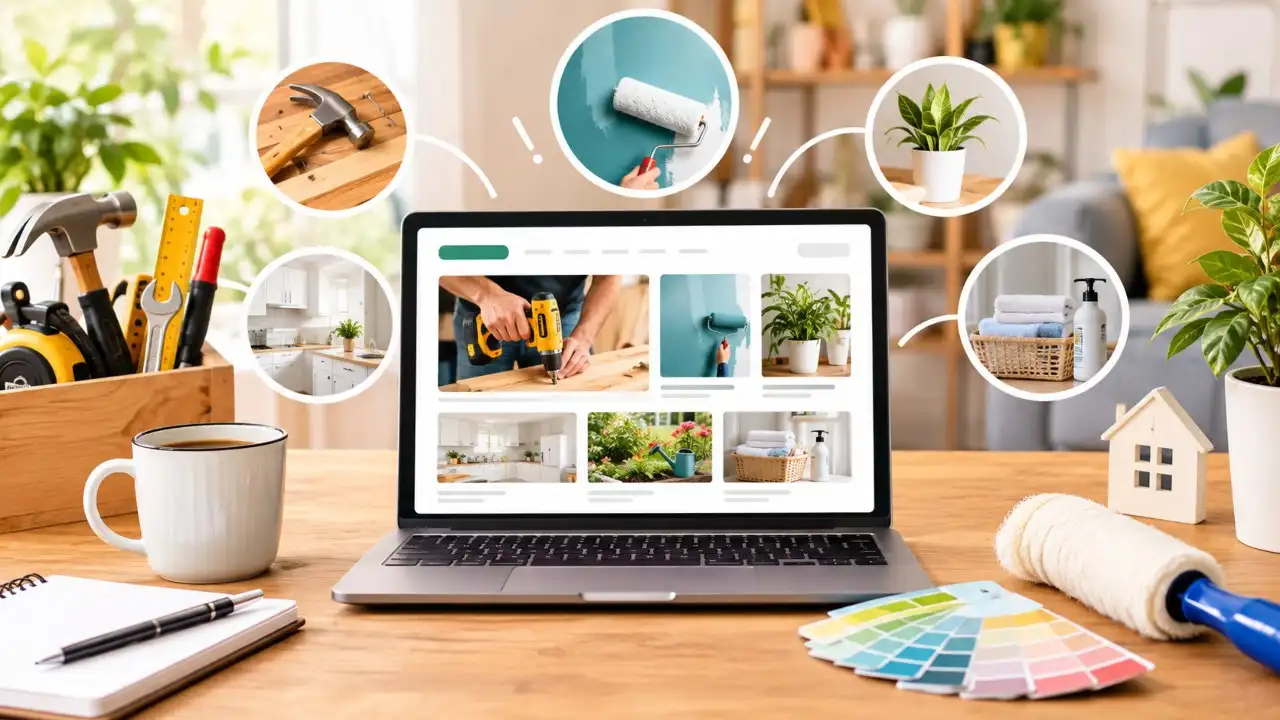
What # usefulideas.net Actually Publishes?
The site centers on home improvement, basic wellness habits, and everyday shortcuts. Posts cover tasks such as getting a house ready for window replacement, checking a fireplace before cold weather, sorting household chores, or building short routines that fit a packed schedule.
Most articles list steps, list tools or materials, and give brief reasons for each action. One window-replacement guide, for example, stresses clearing the area, covering floors, and keeping children and pets out of the way. That kind of checklist matches the needs of many owners who plan to hire help or handle only the preparation themselves.
You will also see posts that help decide whether to repair or replace something, suggest ways to test a small DIY idea first, and list low-cost upgrades that stop larger problems later. These topics line up with common searches across the United States, where houses face seasonal weather shifts and limited weekend hours.
How the Pages Are Laid Out
The homepage shows recent DIY pieces and selected picks. Categories group posts into home improvement, wellness, and lifestyle. Search works best when you already know a phrase; browsing the category pages is often quicker for finding related ideas.
Articles stay short. Most stay under 1,000 words and skip long background stories. That keeps reading time low when you only need a quick list before starting work.
Practical Strengths You Can Use
A few features make # usefulideas.net handy for certain readers:
- Step lists that break a job into clear parts
- Emphasis on preparation and safety before any tools come out
- Coverage of both small maintenance and bigger choices such as when to call a pro
- Free access with no sign-up needed for the main posts
These points help when you want a short reminder rather than a full manual. A homeowner planning a weekend task can skim a post, note the tools, and move on.
Limits That Affect Trust and Usefulness
Writing quality changes from post to post. Some pieces feel assembled from templates. Titles sometimes carry odd or overly specific wording that does not match the advice inside. Links inside articles often point to outside local service companies. That pattern is common on sites that earn through referrals, yet it can tilt the advice toward promoting paid help instead of pure how-to detail.
The About page names Juanita Bailey and Bryan Robinson without clear credentials tied to the topics. Contact details include an email and a street address that does not show up in public records. These gaps lower confidence for readers who want to know who stands behind the tips.
Most posts lack original testing notes, photos of finished work by the writers, or updates based on reader results. If a method fails in real homes or needs changes for different climates, the site rarely says so.
How to Get Value From # usefulideas.net?
Treat the site as a starting checklist, not the final word. Use these steps when you open a post:
- Read the full materials list and safety notes first.
- Check any tool or product suggestion against manufacturer instructions or a local hardware store.
- For work that involves electricity, structural changes, or heavy equipment, confirm local building codes and consider a licensed professional.
- Try small ideas on a limited scale before spending much time or money.
- Keep the post only if the steps match your exact house, climate, and skill level.
This method keeps the free tips useful while avoiding incomplete advice.
Mistakes Readers Often Make
Many people open a post, glance at the bold headings, and start work without reading the fine print. That skips key preparation such as covering floors or removing wall hangings. Others treat every tip as universal. Advice written for dry weather may need changes in humid or freezing areas common across the United States.
Another frequent error is following external links before finishing the article. Those links often promote paid services. Decide first whether you can handle the task yourself, then look at outside help only if the post clearly shows where DIY ends.
Who Gains the Most and Who Should Look Elsewhere
Homeowners who want quick preparation lists or simple organization ideas will find the site convenient. Renters seeking low-cost fixes or busy parents looking for short wellness habits may also pick up a few usable suggestions.
Readers who need detailed, tested instructions with photos, exact measurements, and notes on what went wrong will get more from established DIY platforms, manufacturer guides, or local extension services. Anyone seeking medical or financial advice should skip lifestyle posts and consult qualified professionals.
Clear Takeaway
usefulideas.net offers free, short articles on home tasks and daily habits. The stronger posts give clear steps and safety reminders that help readers prepare for common jobs. Gaps in authorship details, uneven writing, and promotional links mean the site works best as a quick reference rather than a main source. Open one or two relevant posts, match the steps to your own project, verify the practical details, and move ahead only with advice that fits your specific home and skills.